The Cognitive Siege - How Social Media and Algorithmic Manipulation Enable Information Warfare
In the theater of the unseen, a silent siege rages—a war not for land or resources but for the terrain of our minds.
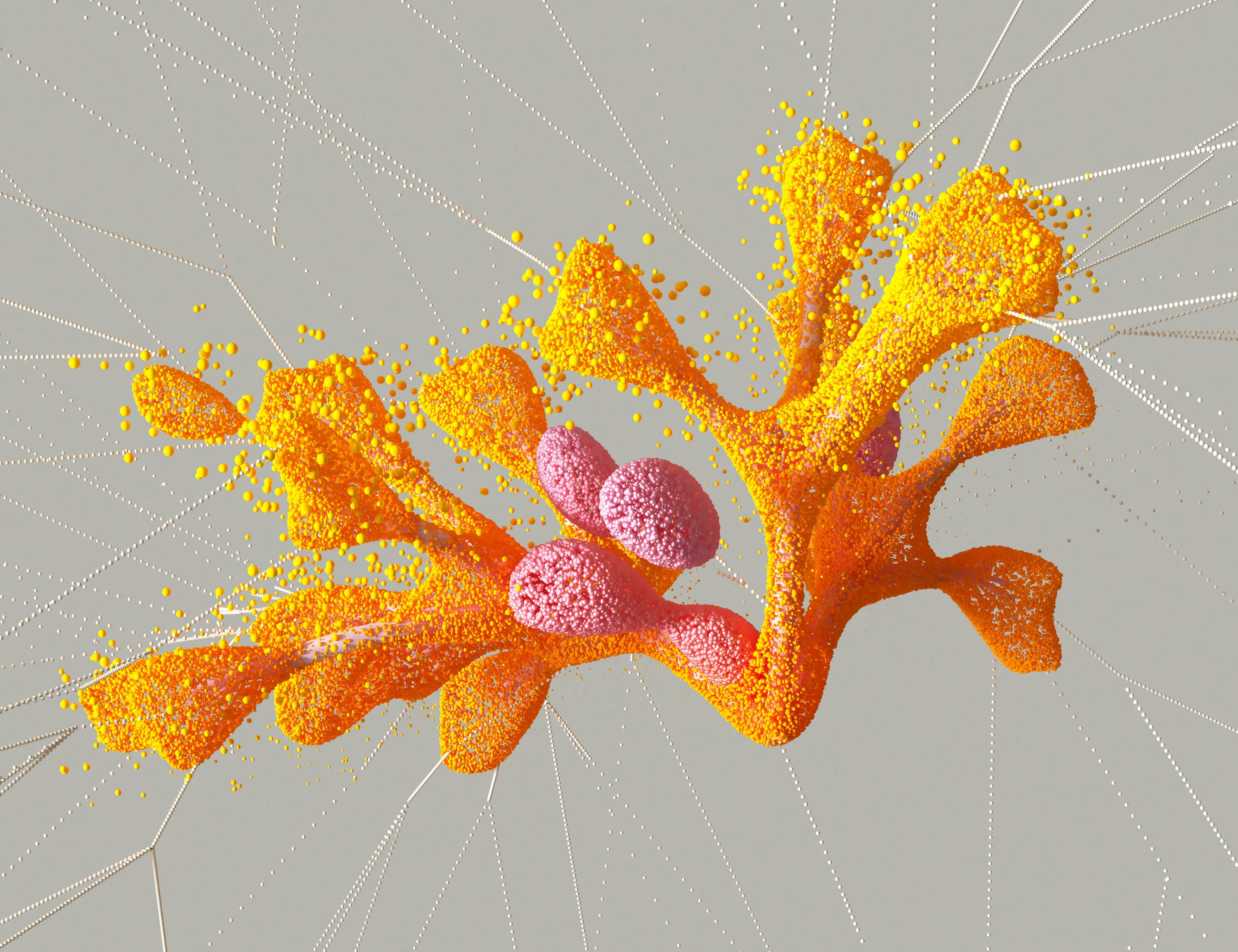

The Siege of Thought
In the theater of the unseen, a silent siege rages—a war not for land or resources but for the terrain of our minds. This is cognitive warfare, an era-defining conflict where the weapons are algorithms, the battlefield is social media, and the casualties are trust, truth, and collective reasoning.
Here’s a question: What happens when the mechanisms designed to connect us instead begin to control us?
Take April 2024. Germany, a country that once symbolized the resilience of a united Europe, found itself in the crosshairs of a disinformation barrage. Over 50,000 phantom accounts—artificial whispers in the digital wind—pushed 200,000 posts every day. These weren’t casual trolls or lone actors; this was a calculated assault. The goal? To fracture trust, sow discord, and make solidarity brittle under the weight of doubt.
Think of it: not a single tank crossed a border, yet the foundation of unity quaked.
Codename: Doppelganger
Disinformation wears a thousand faces, none of them real. In 2024, Russian operatives mastered mimicry to perfection. Fake websites mimicked trusted news outlets like The Washington Post. Their stories, elegantly crafted and strategically placed, didn’t scream lies—they whispered half-truths, blending the plausible with the fabricated.
It’s genius in its simplicity: Why build a new narrative when you can hijack an existing one? Why shout when you can insinuate?
This strategy doesn’t just confuse; it corrodes. Like water finding cracks in stone, it infiltrates the psyche, leveraging repetition and volume to make the unbelievable…believable.
Codename: Firehose
If you repeat something enough times, does it become true?
Cognitive warfare thrives on the overwhelming. It isn’t subtle. It floods. The “Firehose of Falsehood” model—studied, understood, and weaponized—is the perfect storm of multi-channel, high-frequency disinformation. It’s not about accuracy; it’s about attrition. The truth doesn’t need to be disproven—just drowned.
And here’s the twist: we are the enablers. Our clicks, our shares, our likes—we amplify the very forces that dismantle our trust.
Codename: AI as the Saboteur
What was once human is now automated. AI, once a tool of creation, has become the saboteur of cognition. ChatGPT clones, language models, and deepfake engines don’t just assist campaigns; they lead them. Thousands of messages, indistinguishable from human discourse, crafted in seconds. Imagine this: an influence operation that can scale infinitely, language-agnostic, emotion-aware.
And yet, we remain distracted by the spectacle, unaware that the system designed to serve us is training us.
Codename: The Mirror Test
What makes this warfare effective? It’s not just the algorithms or the volume of content—it’s us.
Our biases—confirmation, familiarity, tribalism—aren’t vulnerabilities; they’re levers. The siege isn’t just external; it’s internal. The battlefield isn’t just digital; it’s neural.
So here’s the question we’ve avoided: If this is a war for thought, how do we fight back without losing ourselves?
The Next Question
Cognitive warfare has no front lines, no treaties, and no clear winners. It’s a slow, grinding conflict—a siege of thought. The tools of manipulation will grow sharper, but so too must our awareness. The challenge isn’t just in exposing the tactics; it’s in asking the questions no one wants to confront.
This isn’t a battle of algorithms—it’s a battle of agency. The real war is between the truth and the stories we choose to believe.
Which side are you on?
About the Author
Related Articles


Discussion
Leave a Comment
No comments yet
Be the first to comment - start the conversation!